Tag: christian

  • Forgiveness, Expectations, and Consequences

    Forgiveness, Expectations, and Consequences

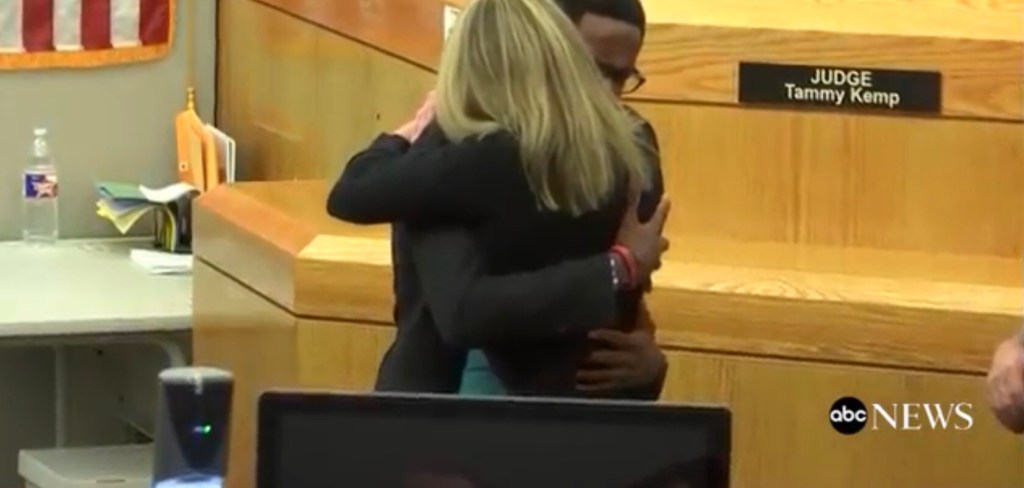
    I watched the Amber Guyger sentencing footage tonight, and all at the same time I am moved by Brandt Jean’s example and I am perplexed by Brandt Jean’s actions and I am annoyed by Brandt Jean’s words.

    Is Amber Guyger forgiven? Was the forgiveness Brandt Jean offered her the right thing to do? Does that really help anyone? Does it really mean anything?

    Because to me it feels like Amber doesn’t deserve forgiveness. That’s pretty un-Christian of me and yet it’s the truth about the thoughts and feelings bouncing around in my heart and mind.

    She doesn’t deserve forgiveness.

    Amber Guyger doesn’t seem like a good person who did something bad – she seems like a bad person who did something bad. And that matters to me. All people make mistakes and do bad things sometimes. Those acts fall into the bucket of forgiveable. But people who make conscious and deliberate choices to hurt others are bad, and people who focus on self more than anyone else are bad. For those who fall into the category of bad people who do bad things, it feels like forgiveness should be out of reach.

    The Amber in court seemed broken and frightened at times, but we know that her actions and reactions recorded by a body cam not long after she killed Botham Jean show another side of her. Perhaps the “real” her? That Amber doesn’t deserve forgiveness, because she was really only thinking about herself. That Amber doesn’t deserve forgiveness because she seemed sorry only about the coming consequences to her, not about the life cut short by her actions. That Amber was so caught up in herself and what happened to her that she didn’t try to help a man she shot – even her 911 call was about how everything related to her.

    While I feel like Amber Guyger is undeserving, a spirit deep within me also knows that none of us are worthy and yet all of us are worthy – and also that we are all forgiveable. And so watching Brandt Jean offer forgiveness to the woman who took his brother’s life is, more than anything I guess, just confusing.

    Watch Brandt Offer Forgiveness

    What initially struck me as I watched him speak is that he seemed to take his seat with maybe a rough idea of what he wanted to say. It didn’t really seem like he knew how far he was going to take it – he started down a path of I will not repay wrong with wrong, he faltered a bit as he really considered what he was doing and how that made him feel, and then he made a choice to lean in to his desire to forgive.

    Perhaps a desire to forgive took root in him in recent months or weeks. but had not been able to break the surface. Maybe he was fighting it, maybe others were encouraging him to fight it, maybe he had made deliberate choices to squash it. But once he started giving forgiveness a voice and it was out loud, you can see him finally embrace it. It’s like we actually watched a force grow and bust out with the speaking of just a few tough sentences.

    I respect and am deeply moved by Brandt’s personal decision to forgive, and at the same time his personal decision and display has real public impact and consequences. Amber somehow seems less accountable now, and that’s not OK. Amber somehow seems redeemed or less bad now, and that’s not OK. Amber somehow seems to “get off easy” now, and that’s not OK. Amber shot and killed an unarmed man and she will actually serve a lot less time than she should, a lot less time than seems fair, and a lot less time than others would.

    It also seems like each time we see a public display of forgiveness it just adds to this weird narrative that it’s a victim’s responsibility to forgive. It should not be our expectation that victims forgive or show compassion. It should be our expectation that bad actions are punished, that punishments are meted out fairly for all people, and that forgiveness is a personal decision each victim makes.

    Brandt Jean is brave, if for no other reason than he spoke publicly today during a very challenging and heartbreaking time for him. He faced a woman who hurt him and his family, he opened himself up for scrutiny and criticism, and he chose to forgive even though others in his family did not.

    Brandt Jean made a decision that his life and his words would not be about darkness and anger and evil. Perhaps the real decision he made today was simply choosing his own path- one that brings him peace. And so I end up in a place I hadn’t expected: it really doesn’t matter if Amber Guyger is deserving or not. The forgiveness Brandt extended and modeled is something that is all about him, and really has nothing to do with Amber.

    Maybe strong people aren’t the ones who forgive and forget, but the ones who remember and yet forgive. (unknown)

  • Contradictions

    Contradictions

    I am made up of contradictions, and it confuses me. For some reason, I have harbored a deep-rooted belief that people should not be a mix of things – actually, that people and belief systems and governments and literally maybe everything should consist of elements that are all in alignment. That everything should “go together.” That everything should be congruous.

    I think this misunderstanding, in combination with a decision to sometimes hide some of the faith parts of me, has created a level of conflict within me for much of my adulthood. I am only just embracing that there’s no one way to be a “good” girl or Christian or Mom or caring person or wife or single person or leader or neighbor. I am only just now embracing that while there are core and consistent principles for the people on each of these paths, the paths are filled with variation and with unique people of individual experiences.

    I’m a girl who loves God but who sometimes drops f-bombs. I am a Mom who loves spending time with my girls but who also loves working. I don’t just work for a paycheck and shut off that part of my brain at 5pm; I actually love my job and all the responsibility that accompanies it. I have spent my entire life talking to God, and yet I married someone who didn’t believe in that God. I am a person of faith and of superstition. I believe in God and in science – I believe He can heal and that doctors and medicine can heal.

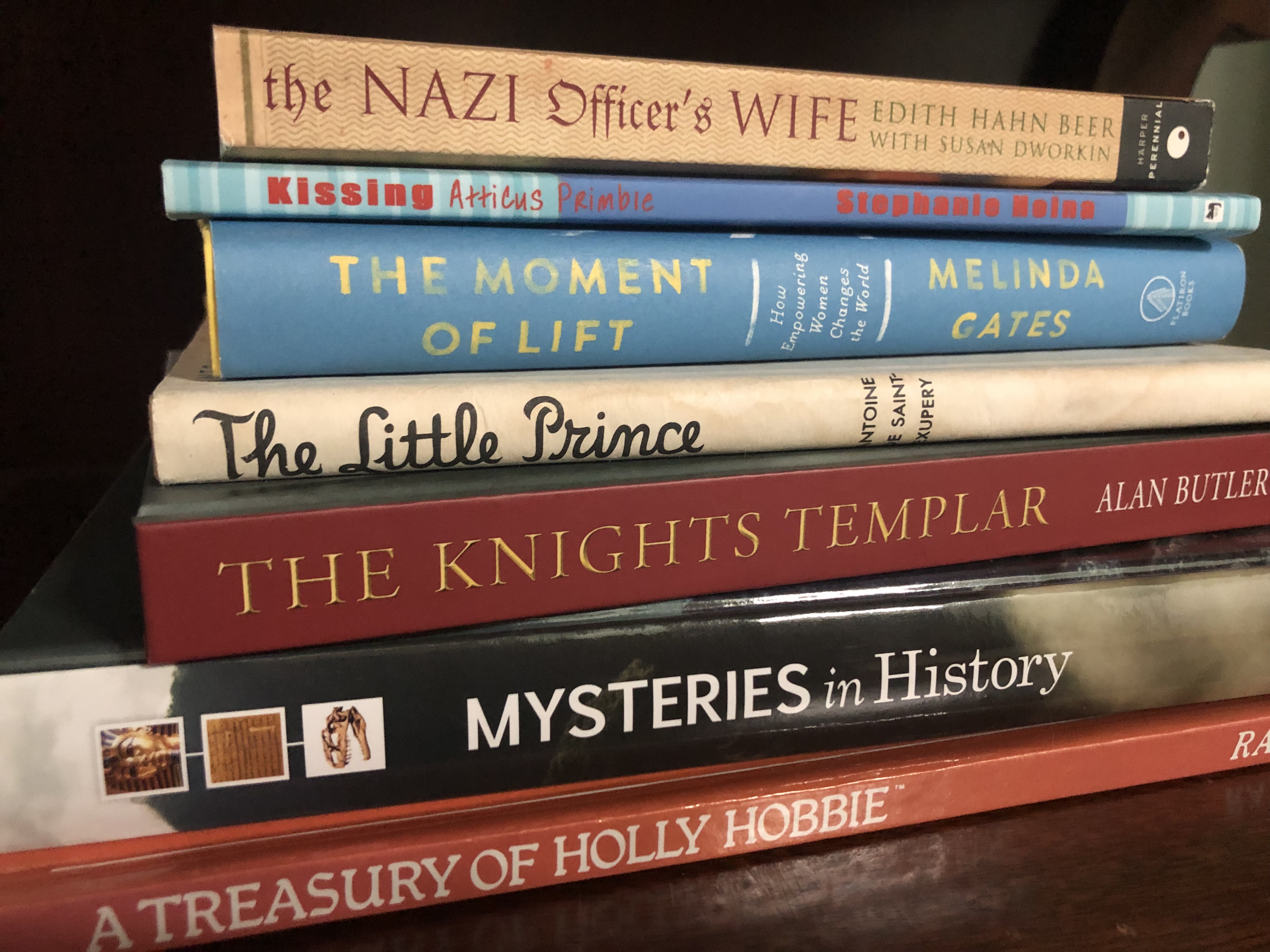
    My book choices are all over the place, everything from daily devotionals to 50 Shades of Grey to Touching History. The top played songs on my ipod right now are The Git Up, Knockin’ Boots, O Come To The Altar, and You Need To Calm Down. I’d like to say I spend most of my down time on putting “good” content into my brain, but the truth is that right now I’m more likely to read something where the vicar’s loins are afire or watch something about a yoga Mom’s murder in suburban America.

    In politics, I am a Christian who thinks that the decisions other people make when confronted with pregnancy are, above all, none of my business. I know that the justice system in the United States is flawed and punishment is unfairly meted out, and yet I believe in the death penalty and I think that some people simply deserve to die. I am a left leaning voter who just can’t work up enough feelings to really care about the environment.

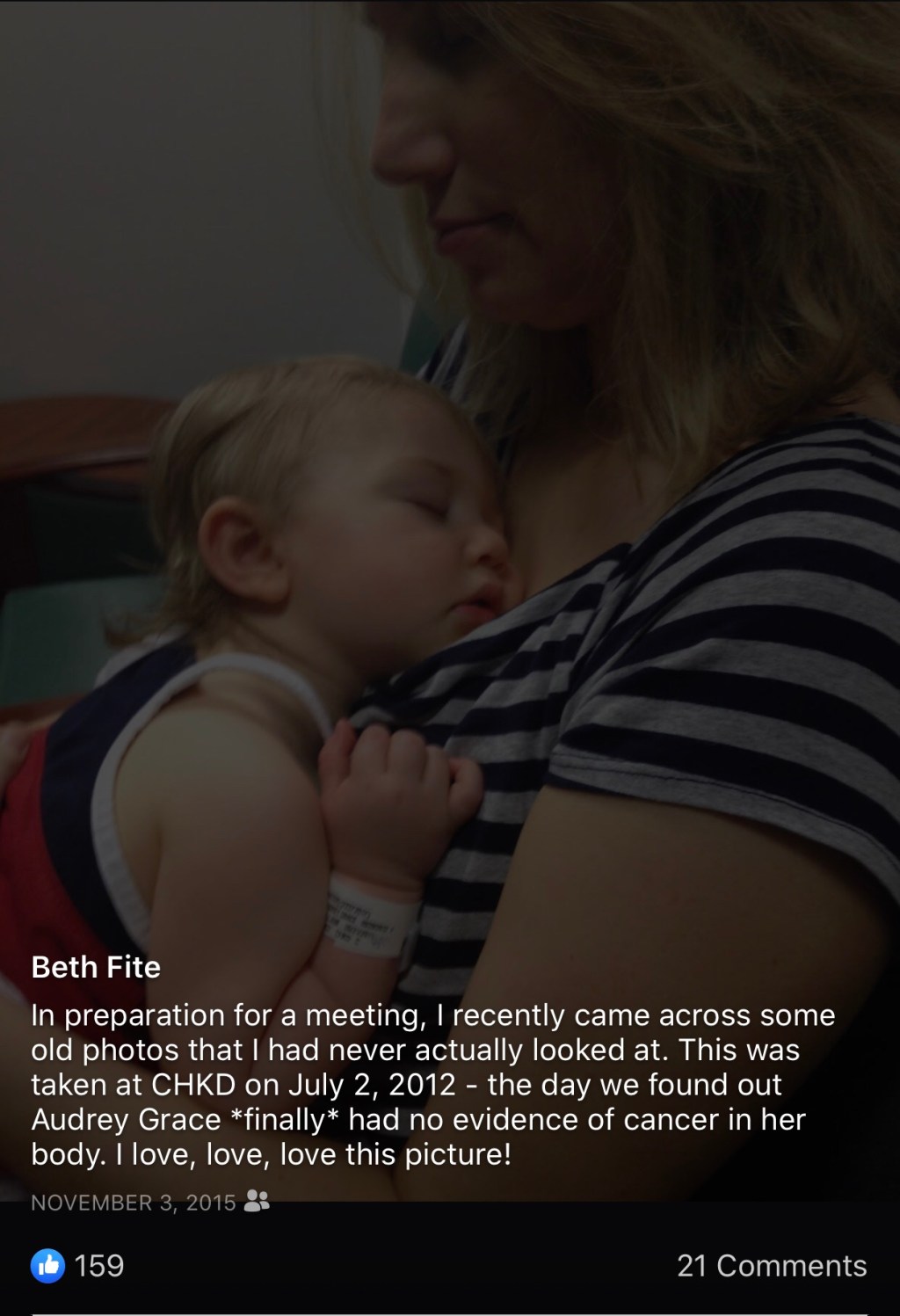
    Contradictions everywhere. And those contradictions – those imperfections, those variations on what I thought a “good” Mom or Christian or whatever should be – have impacted how I thought about a lot of things. Everything from wondering if my daughter got cancer because of my badness (I know the answer is no) to can I really have a worthy opinion about something biblical if I don’t fulfill all the Christian good girl checkboxes (I know the answer is yes) to can a person marked by paradox really successfully shepherd children to adulthood (answer is TBD).

    I think the bottom line is that I have always had a lingering suspicion that my contradictions impact my worthiness or my goodness, but my newly discovered truth is that not only do my contradictions not negatively impact my level of goodness, they make me human and real – and my admission of them makes me stronger, and my admission of them makes my relationships with others stronger.

    One of my a-ha moments about this happened over lunch recently as I shared some of the most personal faith moments of my life. I spoke out loud about events and truths and actions and beliefs and realizations that have until now lived only inside me, or were shared in confidence with just a couple of people in my life. And nothing crazy happened – he didn’t laugh at me or think I’d lost my mind. In fact the opposite happened, and we discussed everyone’s desire to hide sometimes and the contradictions in all of our lives and stories.

    I have hidden parts of me, in part to make others more comfortable and in part to make me more comfortable and in part because I felt my contradictions made me less worthy or good. I let the pressure to be what others expect of me and the pressure of falling into a “good” bucket keep me from sharing all of me. And not only has that held me back, it’s kept some people around me from being their whole self.

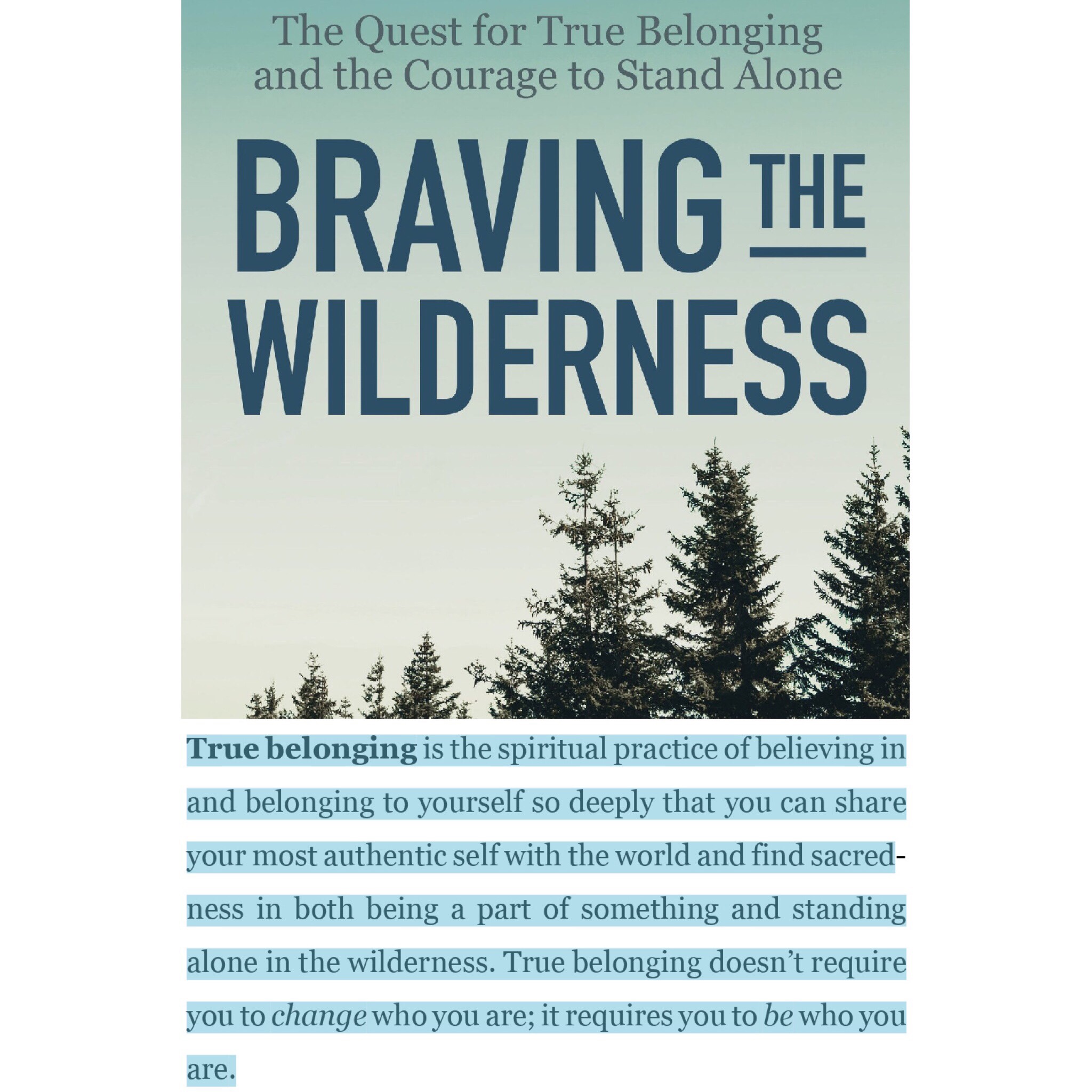
    Brene Brown’s Call to Courage special is one of my more recent favorite things. I can’t watch it enough and it’s a sermon that needs to be digested in pieces over time – much like her book Braving the Wilderness. In some ways, I’m still a teenager who wants to cut pictures out of Teen Beat and hang them all over my walls – it’s just that “grown-up” me prints out or highlights thoughts that I need to mull over more.

    “True belonging is the spiritual practice of believing in and belonging to yourself so deeply that you can share your most authentic self with the world and find sacredness in both being a part of something and standing alone in the wilderness. True belonging doesn’t require you to change who you are; it requires you to be who you are.”

    I am made up of contradictions, and basically so is everyone else. Perhaps the key to a life really lived is whether we embrace our contradictions. Perhaps the key to a life fully lived is simply not hiding, and speaking openly about all the contradictory or confusing parts of ourselves. And perhaps it’s the illusion of perfection – the decorations we use to hide imperfections or the people who put a lot of energy into looking or seeming put together – that is our red flag for situations and people that are not authentic.

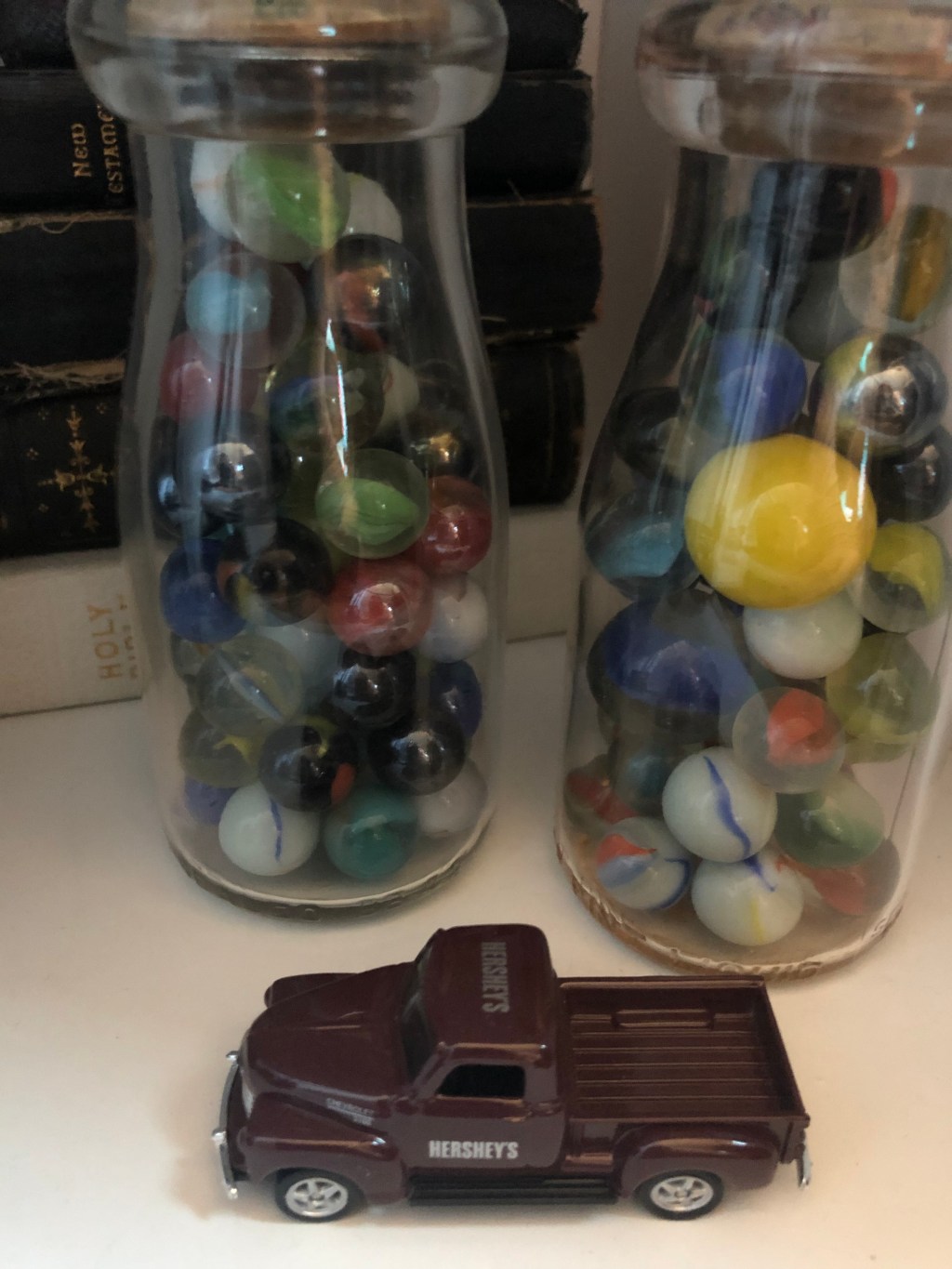
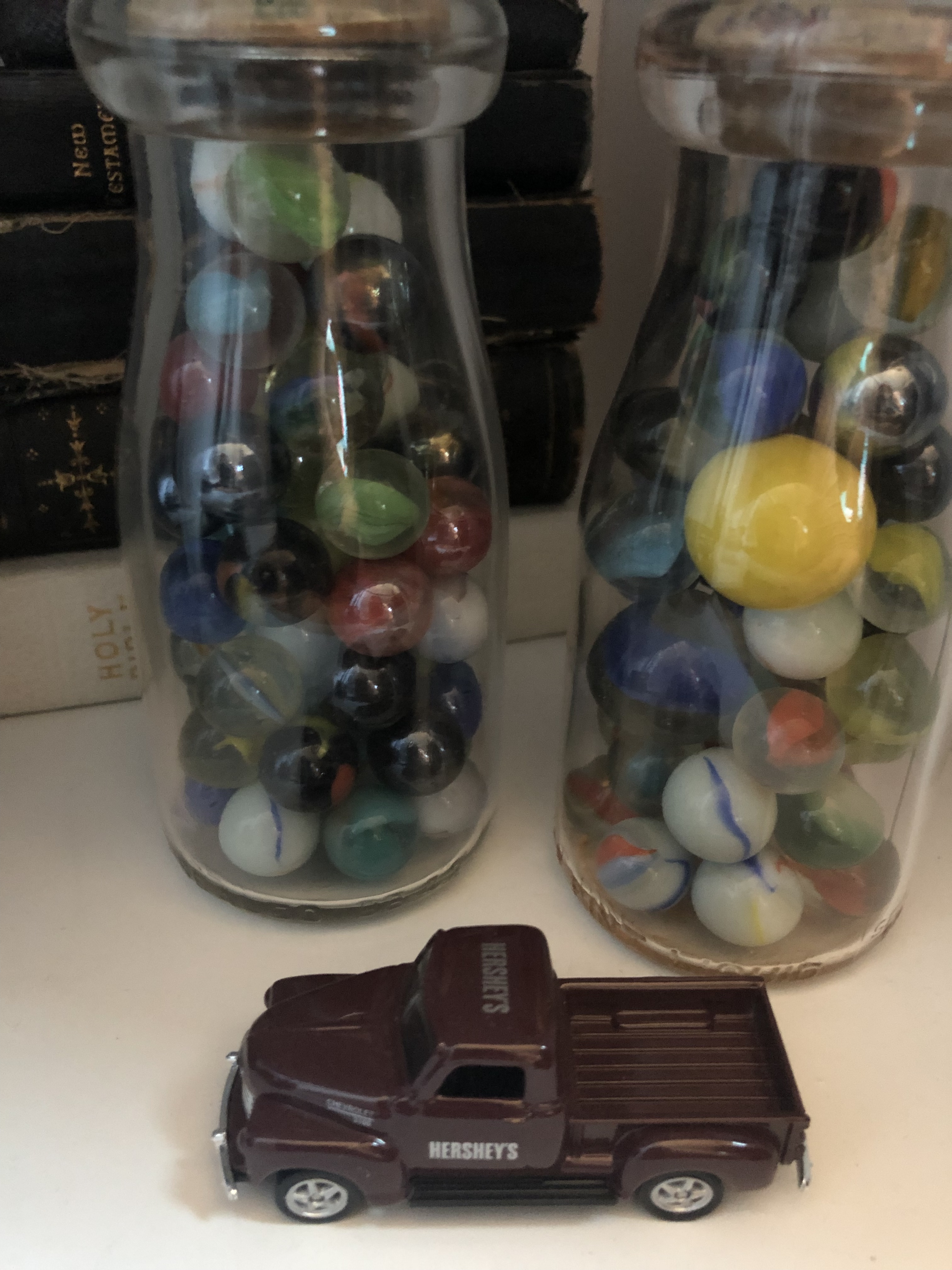
    My home is filled with random stuff, what you might characterize as contradictions. Our family rooms are filled with pieces that mean something or that I just like, regardless of whether or not they go together – so vacation mementoes sit next to antique marbles, old hymnals are next to Nancy Drew books, handmade kid crafts are on the same shelf as crystal, and stainless steel is in the same view as red barn doors and old quilts. I am done with trying to make me and make my home look congruous.

    I am made up of contradictions, and the contradictions are what make me me.

  • Help Me To See

    Help Me To See

    For the last couple of weeks, I’ve been focused on this mantra: God, help me to see what you want me to see. A speaker at a retreat I attended shared that she’s been starting her day that way, and it stuck with me.

    God, help me to see what you want me to see.

    We see and process thousands of images each day. Tens of thousands. Our brains process what we see in milliseconds, and then do things like tell our eyes what to look at next or create a smile in response to joy.

    Everything we see communicates something to us. We may need to see more in something or we may need to see (or “read”) less into something, but everything we see has a message. And as we interact with people throughout the day, I think the vast majority of what we see is based on choices – our choices, the choices of others, and our reaction to the choices of others. Our brains process, we make judgements based on, and we have reactions to or feelings about things like what someone chose to wear, what attitude someone chose to have, or what action someone chose to take or not take.

    What we see in ourselves and in others is a lot about choices. And the more I purposely focus on God help me to see what you want me to see the more the word “you” becomes important. God help me to see what YOU want me to see.

    About 18 months ago, I journaled about choices:

    * We are all a product of our choices.

    * Our choices reveal who we are.

    * Our choices reveal our priorities.

    * Choices that are easy moment to moment often end up being costly.

    * Everything in our lives is a reflection of our choices. What we are or are not is a reflection of our choices.

    * If you’re an adult, you make and made your own choices. No one but you is responsible for the life you’re living. One of the many choices throughout any given day is to turn around or not, to restart on a new path, or be lazy, or continue on a path of bad choices.

    * If you have children, literally every choice you make impacts them somehow.

    * Loyalty is a choice. Integrity is a choice. Love is a choice. Hate is a choice. Forgiveness, Honesty, Courage, Vengeance, Bitterness, Presence, Busyness, Learning, Happiness, Faith, Patience are all choices.

    * Your reactions to the behavior of others are choices.

    * Not making a choice or letting others choose for you are choices.

    * Your background and experiences shaped who you are, but where you are or are not in life goes back to your choices. You are not a victim of the choices of others unless you choose to be, but you are simply the product of your own choices.

    * You have the freedom to choose anything and everything, with the exception of the consequences of your choices.

    I went looking for that entry a couple days ago and have reread it several times trying to decide if the list is complete. It’s not, and this is what’s missing: choices are the primary thing we see in people.

    No words I speak ever communicate as clearly or as loudly as the choices I make. No words we speak ever communicate as clearly or as loudly as the choices people see us make. No art we create and no words we write tell the story of who we are like the choices people see us make. What conveys the truth about what we actually believe in are the choices we make. What conveys who and what is actually the priority in our lives are the choices people see us make. No one has more influence over the message of who we are than we do, and that’s because the only person responsible for our choices is us.

    Choice is our most powerful communication tool. Our choices are greater than any spoken or written I love you. Our choices are the proof.

    And the reality that choice is our most powerful communication tool is even more significant for parents. Children often don’t understand our grown-up words, so all they have to go on is the choices they see us make. And as children get a little older they don’t believe the words we say because they don’t want to listen to anyone or even because we’ve let them down before, so they look at the choices they see us make. We have to constantly assess what our choices are showing them. That’s when God help me to see what you want me to see becomes God help me to see what my children see in me.

    God help me to see what you want me to see. Help me to see what you want me to see in me. Help me to see what you want me to see in others. Help me to see what I’m communicating with each choice I make. Help me to see.
  • Closet Space

    Closet Space

    One of the best experiences in the days when your house becomes just yours is that moment when you realize that the closet belongs wholly to you. No sharing. No things hanging haphazardly and with no real organization. Tie racks become scarf organizers. Purses and shoes reside just above their corresponding clothes.

    The closet is all yours.

    All. Yours.

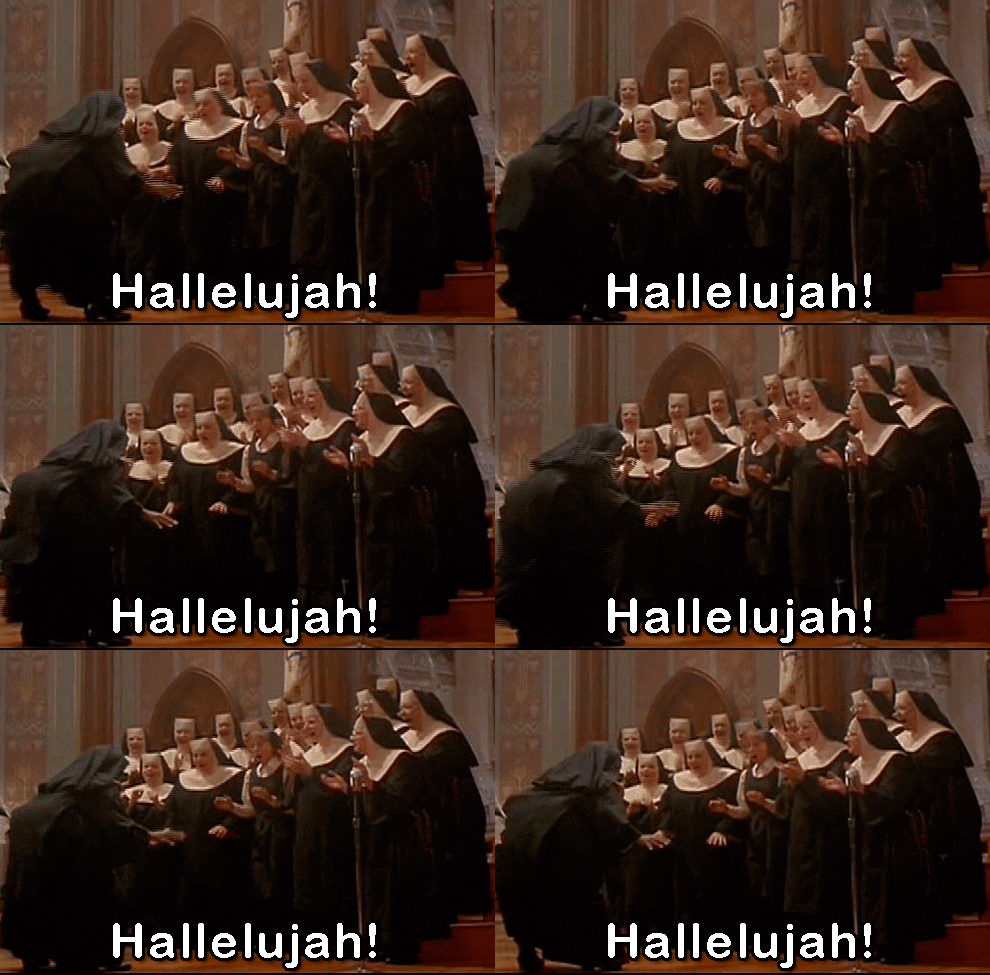
    You hear a little hallelujah chorus, and that chorus grows into full-on thank you, Jesus, worship.

    There’s been only one thing hanging in my closet that doesn’t belong there: my old wedding dress. Almost two years ago now, I pulled it out to throw it away only to discover that others were not quite ready for that step. Since then it’s just been hanging way in the back, taking up space.

    Over time we’ve talked more about the dress, and my firm belief that the girls should never wear it or even use the fabric. I’m a faith person, but I’m also a bit of a superstitious person – and if they ever decide to get married I want everything associated with their day and their union to have positive energy.

    Over time we’ve all become more comfortable with the idea of that dress not hanging in my closet for all of eternity. Over that same time I’ve become significantly more light-hearted, and laughed about the variety of things people do with their old dresses – everything from playing paintball in them to having a bonfire with them to mailing them to an ex’s office (now how funny would that be?).

    Until recently, I had every intention of simply throwing it in a dumpster. But I happened to catch a bit of a news story last week about brides who can’t afford gowns, and I was struck by their faces when they encountered dresses they never would have been able to get otherwise.

    And that made me think again about my dress, purchased from Karen Eagle on Laskin Road more than 20 years ago. A dress stored following exact instructions, and likely a dress in perfect condition.

    It seemed wrong to donate a dress that was worn on the first day of a marriage that was filled with lies and ended in complete disaster. It seemed like some poor girl would start off her marriage by wearing a dress that had really bad juju, and her marriage would subsequently be destined for disaster.

    And yet, what if a dress is just a dress? What if it’s just fabric, and the energy associated with it has nothing to do with its history? What if something good came from it? What if God could make something beautiful from ashes?

    My late night musings became a prayer over the dress. A prayer for the next girl who will wear it. A prayer specifically for her marriage.

    • May you decide each day to choose happy.
    • May your partner actually be your partner, with the same values and focus on family.
    • May you both keep and honor your vows, to God and one another.
    • May every I love you that you speak and hear be heartfelt and full of truth.
    • May you know deep in your heart that you are not a person in relation to someone else – you are whole and beloved and perfect all on your own, and in marriage you’re a whole person alongside another whole person.
    • May all the dreams that are good for you come true.
    • May God save you from dreams and hopes that you don’t know aren’t right for you. And then may you have the wisdom and courage to not chase that which God has saved you from.
    • When dark days come, and they inevitably will, may you and your partner always look to the Light together.
    • May your marriage last until death do you part.

    This morning on the way to work, I stopped at Goodwill and I laughed with the young man at the center about whether or not I should take the tax deduction receipt. It felt really, really good to make that donation, to get rid of that baggage, and to free up that space in my closet and in my spirit. And yet just a few minutes up the road I started to have second thoughts about whether or not a prayer for some unknown girl unknowingly wearing my cursed dress will really make everything work out okay for her.

    I know God has to be so tired of me asking for signs. I am the worst kid, always demanding: show me a sign, I just need a sign. How do I know this was the right thing?! Was this the wrong thing?

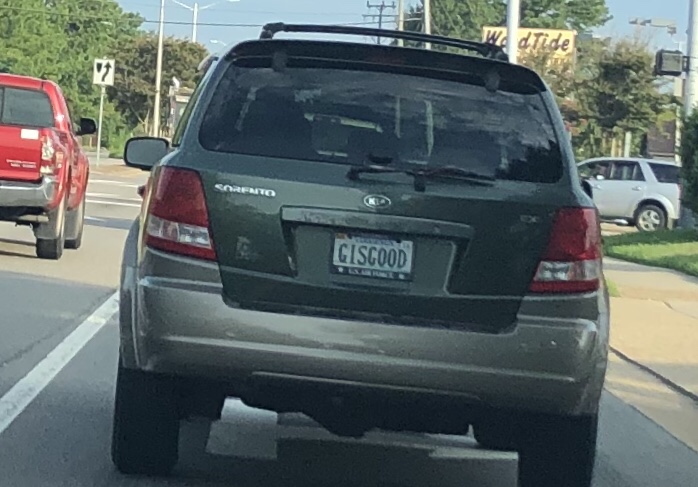
    And then I looked up as the traffic light turned green and noticed the car in front of me. It’s license tag, my sign: G Is Good.

    God is good.

    God is good, so I can trust that the girl who ends up with that dress will be just fine.

    She might be a young bride; she might be an old bride. She might be a formal wedding bride; she might be a JOP bride. She might be a first-time bride; she might be a second-time bride. Or she might just be a girl who needs a Halloween costume – and that’s a pretty fitting ending in this case, too.

    To whoever ends up with the dress, may blessings chase you down.

  • Balance

    Balance

    I learned a new word recently: Koyaanisqatsi. It’s pronounced coy-e-on-e-skat-see and it’s a Hopi word that means out of balance.

    When you really boil it down the word Hopi stands for peace, and the Hopi are known as the peaceful people. Long before the first Europeans landed on our shores and became Americans, and long before the first group of men and women charged across a mostly untouched land to establish homesteads or search for gold, the Hopi lived in America.

    I love and appreciate this country and I love the people in it. I love and appreciate and am thankful for the men and women who have fought in various wars and conflicts over hundreds of years to ensure that my daughters and I can live and worship freely here today. But when I think about the founding of our nation by people committed to a better way of life versus the people of today, I think we have become a people and a nation out of balance.

    What was once a nation that welcomed newcomers seeking safety or opportunity or more freedom is now a nation arguing about walls to keep people out. Koyaanisqatsi.

    What was once a nation of communities that stuck together and made sure all of its families were fed and clothed and tended when sick is now largely a nation of individual people who keep to themselves. A nation arguing over what requirements need to be met for a person to deserve food or shelter or medicine. Koyaanisqatsi.

    As much as we get mad about and write books about millennials and their focus on self, it feels to me like we have become a nation of individuals who are way too entitled. We wax poetic about how little we had when we were young, maybe how our great-grandparents or our parents had to struggle for food or things or college or work, but now it seems no amount of struggle in another is enough to warrant help for that person. I guess we feel we have somehow done something to deserve the good life we have but that others haven’t done enough or aren’t lucky enough. Instead of helping others, which was the necessary way of life when this country was founded, we say we feel sorry for people and we hold out hope for them and we’ll pray for them. And while praying is the absolute right thing for us to do, we must do much, much more.

    What good is it, my brothers and sisters, if someone claims to have faith but has no deeds? Can such faith save them? Suppose a brother or a sister is without clothes and daily food. If one of you says to them, “Go in peace; keep warm and well fed,” but does nothing about their physical needs, what good is it? In the same way, faith by itself, if it is not accompanied by action, is dead. ~ James 2: 14-17.

    I am a Christian, and I am so seriously completely one hundred percent over my people saying we’re praying about something while doing nothing. Those are not the instructions of the God we follow. And not only are we skipping the step of action to help people, in many cases we are complicit in the creation of the situations of people who need help.

    We don’t want all people to have access to the same health care, but we pray for people who are sick. We don’t want to regulate the right to bear arms, but we pray for the victims in mass shootings. We shame women for even considering abortion and then we shame women for needing help once their babies are born.

    Koyaanisqatsi. Koyaanisqatsi. Koyaanisqatsi.

    Our life in America – and there are dozens of kinds of American life depending on your age, race, gender, and access to money – is certainly a good one in comparison to many other countries. We are “better than” in a number of categories when stacked against our peers, but is being good in comparison enough? It’s a question for our country and it’s a question for each one of us as individuals. Just because I haven’t murdered anybody doesn’t make me a good human – it simply, maybe, makes me “better than” someone who has taken the life of another. Just because America provides more freedom than North Korea doesn’t make us a great nation – it simply makes us “better than” a dictatorship.

    I think we are called to be and do much more. That our privilege comes with more hard work and responsibility, not more entitlement. It’s our job to show others what we can do, not look the other way. It’s our job to help all the people we can, not just all the people who can do something for us in return.

    If we expect to continue to live in privilege, we need to live up to the great responsibility given us. We can’t expect to reap a prosperous life or nation when the seeds we are sowing are in things like adding to the debt of our young people, allowing medical bills to force families to declare bankruptcy, treating physical wounds but not wounds of the psyche, or in treating suburban house pets better than children. I don’t think we can expect to continue to live in privilege if we encourage fear of or hatred of people who don’t look like us. I don’t think we can expect to live in privilege if we continue to live out of balance. I don’t think we can expect to live in peace if we continue to live out of balance – each in our homes or in our nation.

    Eagles are an important symbol in both American and Hopi culture. They are symbols of strength and courage and connection and vision. They are not passive creatures; they are creatures that do. That soar. And they are creatures of balance. The bald eagle uses their feathers to balance. As part of their growth process, if an eagle loses a feather on one wing, they will lose a matching feather on the other wing. It’s only when an eagle’s wing is injured, when their wings are out of balance, that they cannot fly.