Category: BraveGirlJournal

  • Thankfulness: Change Starts Small

    Thankfulness: Change Starts Small

    Gratitude is a choice. A choice we make each day, each hour, each minute. And I fail at it sometimes. I may not feel gratitude in this or any specific moment, but I am still capable of choosing what I want my mind to focus on and expressing gratitude.

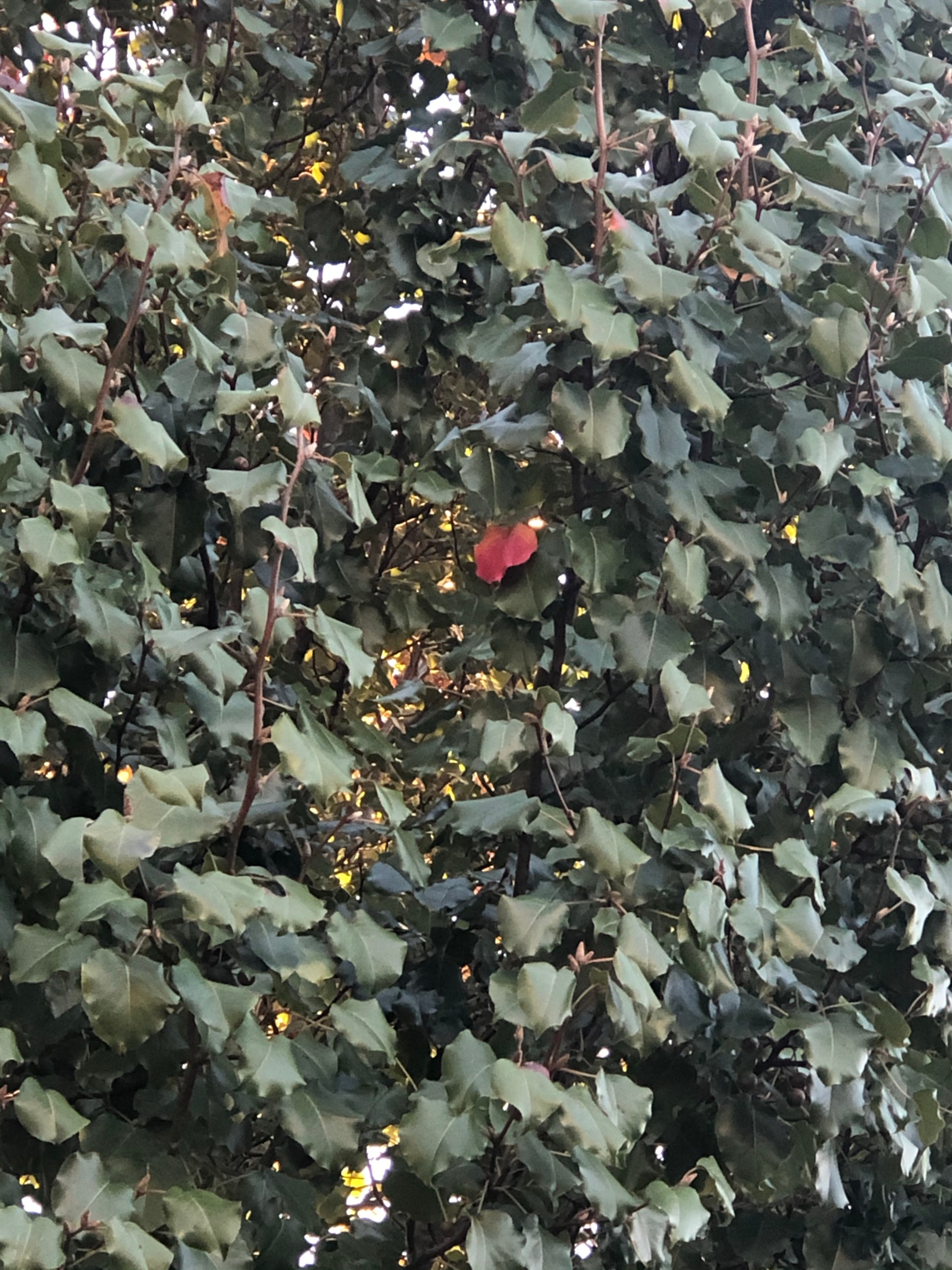
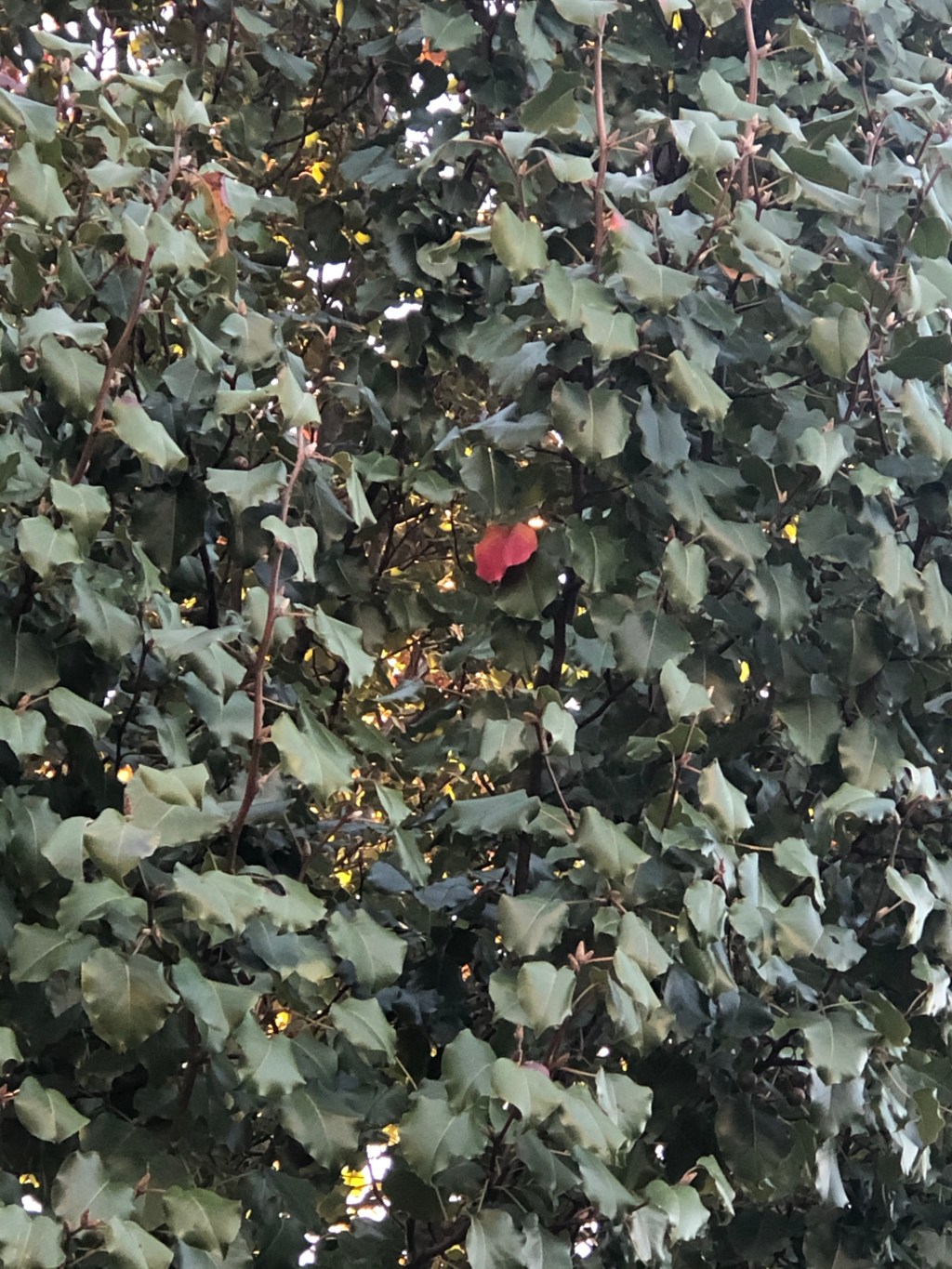
    Today I am grateful for mornings that feel like fall, and I’m reminded by one of my trees that change starts small. There may be only one leaf changing so far, but the leaf leading the way is the most beautiful one on the tree.

  • Grief and Growth

    Grief and Growth

    Grief, according to Psychology Today, is the acute pain that accompanies loss. I’ve always thought of grief as a period of time following an event, but the older I get, or perhaps the more life experiences I have, I realize that grief is actually a lifelong process. Grief is not something people feel or experience within a finite period of time. And it’s also not something that hits you only when you’re in a slump or already sad about something else. In fact the opposite is true, and it very often hits when you least expect it – at a time of happiness.

    My grandparents died many years ago now but occasionally one of the girls will do something and I’ll think things like Uncle Dale would just love that ornery-ness in Audrey or Mama would not like this music but she would be tickled pink to see Ella sing in church. Sometimes those thoughts make me smile and sometimes they bring tears to my eyes, and I think that’s because I’m still sad that they aren’t here with us.

    Grief is not just about mourning a person, but it’s also about mourning the loss of a thing – a job, a child’s favorite stuffed animal, a home when you move. And it can even be about unmet expectations, including expectations you may not have even known you had.

    Children have expectations about their life that grow and mature as they get older, as their world gets bigger, and as they reach milestones. A young person who never had parents may still mourn the absence of parents on a prom night or a wedding day or even a dark day like one of a diagnosis. A child who used to live with two parents may suddenly notice a traditional family at a restaurant or even on TV and then be overwhelmed with feelings such as I only have one parent here.

    I don’t think I believe in the old adage time heals all wounds. I think our wounds *can* heal with time, but when that happens it’s because we’ve used our time and energy to think about all that’s happened and we’ve bravely faced all we did or did not see, all the choices we made, or all that we could not control.

    For children this is especially tough because they really don’t control a lot that happens in their early life. And one of the complexities tied to their grief and their moving on from something is that it can seem like their ability to accept a situation is a validation of poor decisions others have made. What is simply an acceptance of the adult, and a willingness to love the adult anyway, can be a very large leap for wounded hearts to make.

    A child’s ability to move on with their life or accept a situation is also not the end of grief. The sad truth hidden within acceptance is that standards have changed. With acceptance, expectations are often lowered – of people, of life, and even of God.

    Acceptance is supposedly the last stage of grief, but I think maybe the stages don’t always go in order. Or maybe they happen in order initially but it’s not just one cycle. Because what’s clear to me is that there are still days and moments of anger or sadness long after the days of acceptance.

    One of the hardest things to do as a parent is to watch your child grieve. Tears, anger, tummy aches, sleeplessness and yet constant tiredness. Perhaps the next hardest thing is allowing your child to grieve in their own way and their own time, all while not adding your feelings to their burden, rushing them, or trying to save them from it.

    I came across an old word a while back: nepenthe. If I’d paid more attention during Shakespeare lessons I wouldn’t have had to look it up. It’s something that makes you forget grief or suffering. Alcohol, people, work. Even good things can become unhealthy addictions as we search for a nepenthe. I think maybe the bravest thing we can do when we’re grieving is to forego nepenthe. The bravest thing we can do is avoid all the things that could make us temporarily feel better and focus all our effort on working through our loss and our feelings.

    I found that Shakespeare even nicely summed up all the thoughts I’ve been trying to wrap my head around: Tears water our growth.

    Some time ago, I read Max Lucado’s Facing Your Giants. It’s about the life and choices of David, and about facing the giants in our lives. Grief is a giant. It often doesn’t reveal itself as obviously as Goliath did, so we have to be on the lookout. And when we recognize it, we have to bravely face it each time.

    Last week at a work event, our leadership team painted stones with messages that are important to us. I used three colors to write the word brave – a color for me and each of my girls. Brave is my battle cry and my encouragement. It’s also my reminder that David defeated Goliath with just a small smooth stone.

  • Self Care and *Real* People

    Self Care and *Real* People

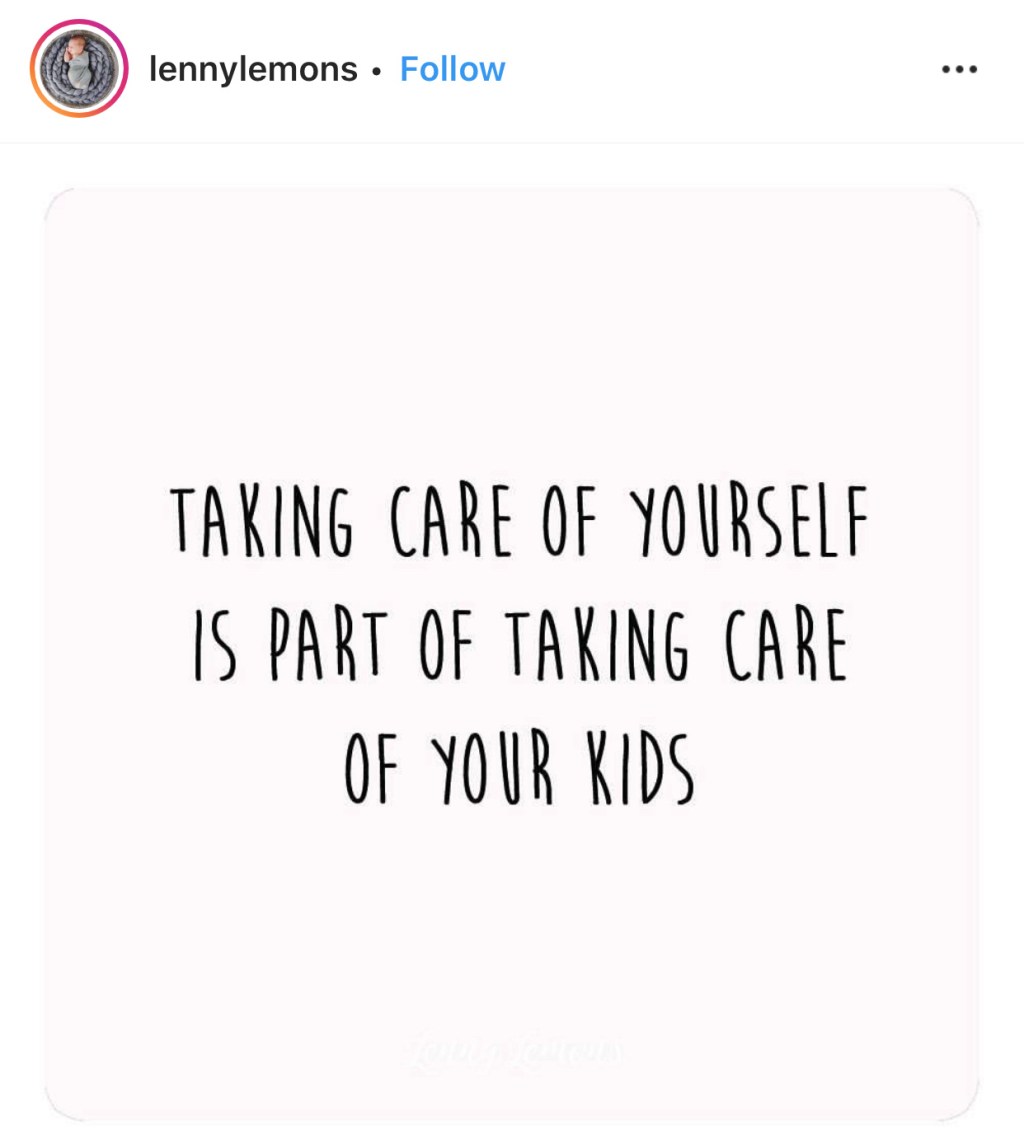
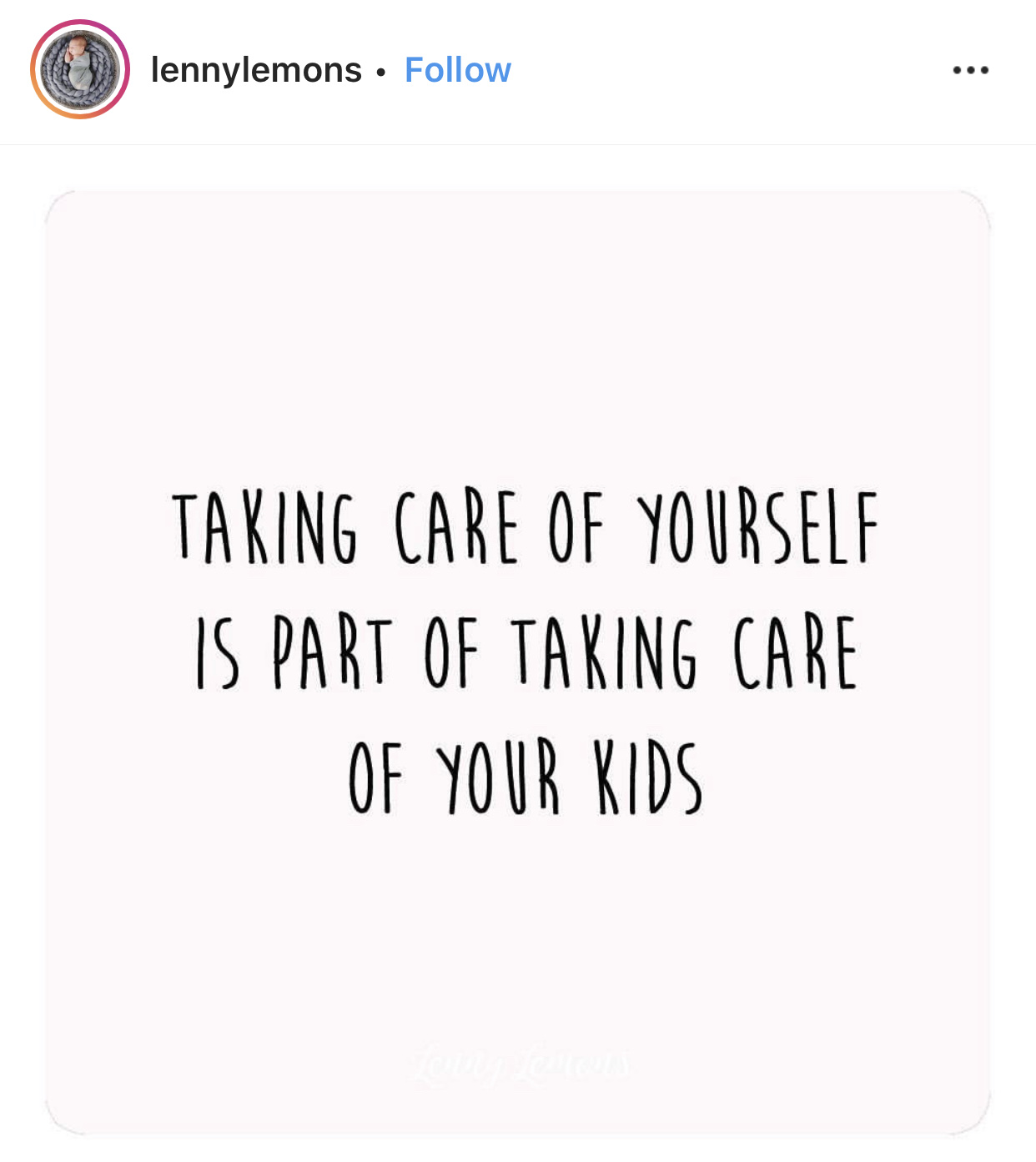
    I don’t think I can scroll through social media for more than two minutes without seeing some sort of post about self care. Sometimes I read things like Be patient with yourself and I roll my eyes, and other times I see You are allowed to eat three donuts and I feel like nobody gets me like that person gets me.

    Self care has twenty million posts on Instagram. Twenty million posts to encourage people that they are worthy. Worthy of rest or happiness or love or attention or respect or health. What does it say about our world that so many people need a reminder that they are worthy? What does it say about me that I sometimes need that reminder?

    I know that self care is about wellness, and that there are millions of people out there that need real help and a real plan to care for themselves properly. Self care is critically important for them. My experience with the term self care is in a more buzzword kind of way – like a special password that tells me someone is going to spend time in a way that makes them feel good. A pedicure. A round of golf. A bubble bath.

    Those are all nice things but it seems like we should be striving to live lives where we don’t get to the point of needing a fix of some sort for a few hours. Self care in that buzzword-scenario seems like filling potholes instead of figuring out how to make better roads. Shouldn’t we practice self care proactively, as a lifestyle, instead of occasionally fitting it in after a build-up of seemingly overwhelming things?

    It comes down to three things, I think:

    • shedding Mom guilt
    • balance
    • getting real people in our village

    And actually, I think maybe the number one thing we can do to practice self care is in that third bullet – it’s in surrounding ourselves with people who love us enough to be real with us and tell us the truth. If we treat others like we want to be treated, live lives we can be proud of, and live in a balanced, healthy way mentally and physically and spiritually we should not need pothole-type-self care. But because we’re not perfect and we make mistakes and sometimes we stray onto paths that aren’t the best for us, it’s critically important that we have people around us who will not accept our bullshit and who will call us out on our bullshit.

    We need balance and truth in our lives in order for self care to really be a way of life.
    We tend to hide our dysfunction. Simply, we don’t want to be embarrassed or ashamed. But it’s in our moments and situations of dysfunction that it’s absolutely critical that the people around us be people we have chosen carefully and purposefully – that they be those people who we knew would be able to say to us that’s such BS, or you’re lying to yourself, or you need to take care of yourself, or that’s not right, or you’re hurting yourself/others. And on top of that, dysfunction, if it must be or is revealed, will then seek other dysfunction instead of truth – above all else because it craves approval and it craves cohorts. Dysfunction wants others to say with their words or behavior that what’s happening is OK.

    Healthy people – our purposefully chosen village around us who practice actual love – will call out our dysfunction. It’s other dysfunction that tells us our bad path or our poor choices or our hiding is OK. Healthy encourages focus, while dysfunction encourages distraction. Healthy encourages responsibility, while dysfunction encourages avoidance. Healthy encourages help, while dysfunction encourages further isolation.

    In my circles right now, self care is mostly a password that allows moms to take a small amount of time “off” from focusing on our children, which is how we spend the vast majority of our time, and instead spend an hour on a pedicure or taking a Sunday afternoon nap. It’s the occasional prescription for a life filled with busy-ness.

    My life is filled with busy-ness, and I actually like that the vast majority of the time. Also, it’s necessary right now. This is a period in my life where I’m a working Mom of two children who are at stages where they can get themselves a simple meal but they can’t yet drive. Where they need an engaged Momma to make sure they are on the right path each day, and to make sure that their hormones aren’t an excuse for not practicing kindness, and that they get up and appropriately dressed and out of the house on time, that they don’t blow up the microwave, that they get to appointments and gymnastics and swim and chorus and youth group and play dates and football games.

    I also want the girls to look back on their childhoods and remember that their Mom didn’t just have guidelines and rules, but that she played – that she splashed in the ocean even though we all had regular clothes on, that she let them put crazy makeup all over her face, and that she sang Lizzo when the car windows were rolled down.

    This is a relatively short period of my overall life and I have to use this time so wisely. I realized this week that in this time the girls need to also see me model balance and self care. They need to learn it as a way of life and they’ll do that in part by watching me. It’s not enough to get pedicures together, which we just all like to do. We have to talk about the importance of down time, we have to take afternoons to rest together, we have to practice gratitude together, we have to help each other choose our village carefully, and we have to talk openly about when we’re overwhelmed. We have to bravely and purposefully be real with others, and bravely and purposefully surround ourselves with people who will be real with us.
  • Forgiveness, Expectations, and Consequences

    Forgiveness, Expectations, and Consequences

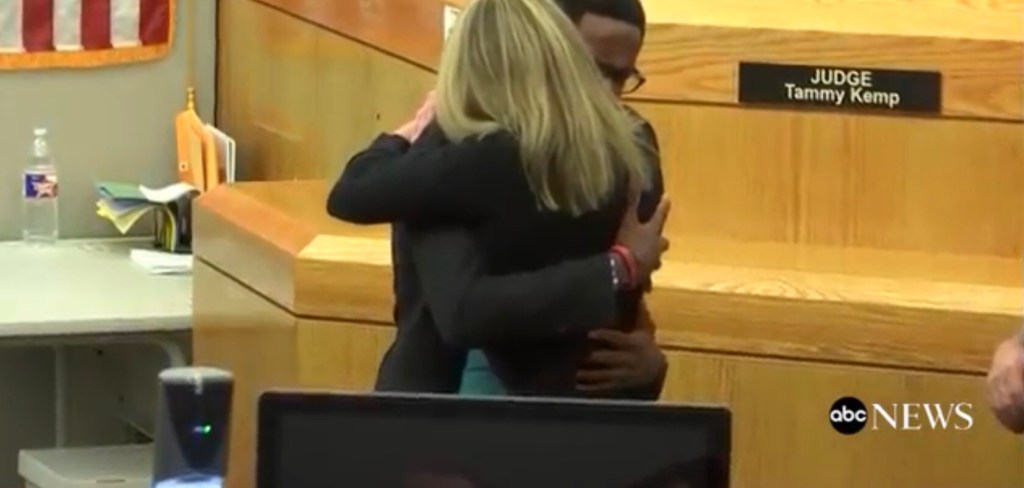
    I watched the Amber Guyger sentencing footage tonight, and all at the same time I am moved by Brandt Jean’s example and I am perplexed by Brandt Jean’s actions and I am annoyed by Brandt Jean’s words.

    Is Amber Guyger forgiven? Was the forgiveness Brandt Jean offered her the right thing to do? Does that really help anyone? Does it really mean anything?

    Because to me it feels like Amber doesn’t deserve forgiveness. That’s pretty un-Christian of me and yet it’s the truth about the thoughts and feelings bouncing around in my heart and mind.

    She doesn’t deserve forgiveness.

    Amber Guyger doesn’t seem like a good person who did something bad – she seems like a bad person who did something bad. And that matters to me. All people make mistakes and do bad things sometimes. Those acts fall into the bucket of forgiveable. But people who make conscious and deliberate choices to hurt others are bad, and people who focus on self more than anyone else are bad. For those who fall into the category of bad people who do bad things, it feels like forgiveness should be out of reach.

    The Amber in court seemed broken and frightened at times, but we know that her actions and reactions recorded by a body cam not long after she killed Botham Jean show another side of her. Perhaps the “real” her? That Amber doesn’t deserve forgiveness, because she was really only thinking about herself. That Amber doesn’t deserve forgiveness because she seemed sorry only about the coming consequences to her, not about the life cut short by her actions. That Amber was so caught up in herself and what happened to her that she didn’t try to help a man she shot – even her 911 call was about how everything related to her.

    While I feel like Amber Guyger is undeserving, a spirit deep within me also knows that none of us are worthy and yet all of us are worthy – and also that we are all forgiveable. And so watching Brandt Jean offer forgiveness to the woman who took his brother’s life is, more than anything I guess, just confusing.

    Watch Brandt Offer Forgiveness

    What initially struck me as I watched him speak is that he seemed to take his seat with maybe a rough idea of what he wanted to say. It didn’t really seem like he knew how far he was going to take it – he started down a path of I will not repay wrong with wrong, he faltered a bit as he really considered what he was doing and how that made him feel, and then he made a choice to lean in to his desire to forgive.

    Perhaps a desire to forgive took root in him in recent months or weeks. but had not been able to break the surface. Maybe he was fighting it, maybe others were encouraging him to fight it, maybe he had made deliberate choices to squash it. But once he started giving forgiveness a voice and it was out loud, you can see him finally embrace it. It’s like we actually watched a force grow and bust out with the speaking of just a few tough sentences.

    I respect and am deeply moved by Brandt’s personal decision to forgive, and at the same time his personal decision and display has real public impact and consequences. Amber somehow seems less accountable now, and that’s not OK. Amber somehow seems redeemed or less bad now, and that’s not OK. Amber somehow seems to “get off easy” now, and that’s not OK. Amber shot and killed an unarmed man and she will actually serve a lot less time than she should, a lot less time than seems fair, and a lot less time than others would.

    It also seems like each time we see a public display of forgiveness it just adds to this weird narrative that it’s a victim’s responsibility to forgive. It should not be our expectation that victims forgive or show compassion. It should be our expectation that bad actions are punished, that punishments are meted out fairly for all people, and that forgiveness is a personal decision each victim makes.

    Brandt Jean is brave, if for no other reason than he spoke publicly today during a very challenging and heartbreaking time for him. He faced a woman who hurt him and his family, he opened himself up for scrutiny and criticism, and he chose to forgive even though others in his family did not.

    Brandt Jean made a decision that his life and his words would not be about darkness and anger and evil. Perhaps the real decision he made today was simply choosing his own path- one that brings him peace. And so I end up in a place I hadn’t expected: it really doesn’t matter if Amber Guyger is deserving or not. The forgiveness Brandt extended and modeled is something that is all about him, and really has nothing to do with Amber.

    Maybe strong people aren’t the ones who forgive and forget, but the ones who remember and yet forgive. (unknown)

  • Freedom

    Freedom

    One of the unexpected interesting things about WordPress is the analytics. The countries site visitors are from, and then being able to find and communicate with other people with similar writing styles and interests. These pages are part of my journal and I never thought analytics would be of any importance to me. And yet it’s curious how many times a day the same couple of people hit this site.

    A couple hundred times over the weekend, and more than 60 times since about 9 last night.

    Seriously, move on. Live your life. Actually enjoy it. Two little girls have cried countless tears and been to countless doctor appointments as a result of actions you took to presumably find happiness. So find it, and spend your time and energy on that. Live lives that add something positive to the universe, not lives where you have to constantly worry about what other people think. That’s when you’ll find true happiness.

    My daughters deserve nothing less than your total commitment to living lives that make you worthy of them. And you know what I deserve? I deserve to turn on my computer or open up my app to write, and not be greeted by analytics that connect me to you. I deserve freedom. I don’t care if you read what I write, and you can sign up to get the posts via email if you want. But, I deserve freedom from you.

    I deserve freedom, and frankly so do you. We’ve all been through a lot of pain to get it.